A Catholic pilgrimage to Italy is a meaningful opportunity to explore historic churches, deepen your faith, and experience centuries of Christian tradition. While visiting destinations such as Rome, Assisi, and Vatican City may seem expensive, a spiritual journey through Italy does not have to cost a fortune. With careful planning, affordable accommodations, and thoughtful travel choices, you can organize a memorable Catholic pilgrimage on a reasonable budget.
Whether you are traveling alone, with friends, or as a family, this guide will help you discover some of Italy’s most important Catholic destinations while keeping your expenses under control.
Table of Contents
Toggle1. Choose the Best Catholic Pilgrimage Destinations in Italy
Italy is home to some of the world’s most important Catholic pilgrimage sites. From magnificent basilicas to peaceful medieval towns, the country offers countless opportunities for prayer, reflection, and cultural discovery. Choosing a few destinations rather than attempting to visit everything will help you save money and enjoy a more meaningful journey.
Rome and Vatican City
Rome is an essential destination for many Catholic pilgrims, offering access to historic churches, sacred artwork, and important religious landmarks. St. Peter’s Basilica in Vatican City is particularly significant because of its association with St. Peter, one of Jesus Christ’s apostles and the first pope according to Catholic tradition.
Visitors can explore St. Peter’s Basilica, attend religious services, and admire remarkable works of sacred art. Entrance to the basilica is free, although optional timed-entry reservations and certain additional experiences carry fees.
Other important pilgrimage sites include the Basilica of St. John Lateran, the Basilica of St. Mary Major, and the Basilica of St. Paul Outside the Walls.
For budget-conscious travelers, Rome offers the advantage of having many historic churches that can be visited without purchasing expensive attraction tickets. Walking between nearby religious landmarks also provides an opportunity to discover the city’s beautiful streets and traditional neighborhoods.
Assisi: The Home of St. Francis
Assisi is one of the most peaceful and spiritually significant destinations in Italy. Located in the Umbria region, this medieval town is closely associated with St. Francis of Assisi and St. Clare, two influential figures in Catholic history.
The Basilica of St. Francis is one of the town’s most important religious landmarks, featuring remarkable medieval artwork and the tomb of St. Francis. Individual admission to the basilica is free, making it an excellent choice for an affordable pilgrimage.
Assisi is particularly suitable for travelers seeking quiet reflection and a slower travel experience. Its walkable historic center, beautiful countryside, and peaceful churches allow pilgrims to focus on the spiritual purpose of their journey rather than expensive tourist attractions.
San Giovanni Rotondo
San Giovanni Rotondo, located in southern Italy, is an important pilgrimage destination associated with St. Padre Pio. Catholic visitors travel here to pray, learn about his life, and visit religious sites connected to his ministry.
The town offers a different pilgrimage experience from busy destinations such as Rome. Its strong religious identity makes it particularly meaningful for Catholics who have a devotion to Padre Pio.
However, because San Giovanni Rotondo is farther from Italy’s main tourist routes, travelers should consider transportation costs before adding it to their itinerary. Visiting as part of a longer southern Italy journey may be more economical than making a separate trip.
2. Travel During the Off-Season to Save Money
One of the easiest ways to organize an affordable Catholic pilgrimage to Italy is to choose your travel dates carefully. Airfare, accommodation, and transportation prices can vary significantly depending on the season. Traveling outside the busiest summer months may help reduce overall expenses.
Late autumn, winter outside major holidays, and parts of early spring can provide opportunities for lower prices. These periods may also offer quieter churches and fewer tourists, allowing for more peaceful visits to religious landmarks.
However, major Catholic celebrations such as Easter, Christmas, and special religious events can attract large numbers of visitors regardless of the season. Check religious calendars and accommodation availability before booking your pilgrimage.
3. Find Affordable Accommodation Near Pilgrimage Sites
Accommodation is often one of the largest expenses when traveling internationally. Fortunately, Italy offers several options beyond traditional hotels, including guesthouses, budget accommodations, and religious hospitality facilities.
Some religious houses and guest accommodations operated by Catholic communities welcome pilgrims, although availability, visitor requirements, and prices vary. These properties may offer simple rooms and a peaceful atmosphere suited to spiritual travel.
Budget travelers can also consider staying outside the most popular tourist neighborhoods. In Rome, for example, accommodations near reliable public transportation may be more affordable than hotels immediately surrounding major attractions.
When comparing accommodation options, consider the total cost rather than the nightly price alone. Transportation expenses, local tourist taxes, breakfast availability, and cancellation policies can all influence your final travel budget.
4. Use Public Transportation Instead of Renting a Car
Italy’s public transportation network makes it possible to visit many major religious destinations without renting a vehicle. Trains connect important cities such as Rome, Florence, and several destinations in central Italy, while local buses provide access to smaller towns.
Traveling by regional train can be an economical option for shorter journeys, especially when compared with private transfers. High-speed train tickets may also be competitively priced when purchased in advance, although fares depend on the route and travel date.
For a pilgrimage combining Rome and Assisi, travelers can compare train and bus routes to find the most practical option. Choosing destinations connected by public transportation reduces expenses associated with rental cars, parking, fuel, and toll roads.
Walking is another excellent way to explore Catholic pilgrimage destinations. Many of Italy’s historic churches are located within pedestrian-friendly city centers, making walking both convenient and spiritually rewarding.
5. Pack Essential Religious Items for Your Pilgrimage
Packing thoughtfully can help you avoid unnecessary purchases during your travels. Comfortable walking shoes, modest clothing suitable for churches, a reusable water bottle, and a lightweight backpack are among the most important essentials.
Religious items can also play an important role in your pilgrimage experience. A rosary, small prayer book, Bible, or devotional medal can provide opportunities for prayer and reflection while traveling.
Before departing, consider exploring the collection of Catholic religious items at Holyart, including rosaries, religious medals, devotional accessories, and handcrafted Italian religious gifts. Bringing a few meaningful items from home can help you remain connected to your faith throughout the journey. Holyart also has a physical shop in Rome where you can get Italian made souvenirs.
Remember that many Catholic churches in Italy require visitors to dress respectfully, which generally means covering shoulders and avoiding excessively short clothing. Packing a lightweight scarf or sweater can be useful when visiting sacred sites during warmer months.
6. Take Advantage of Free Religious Activities
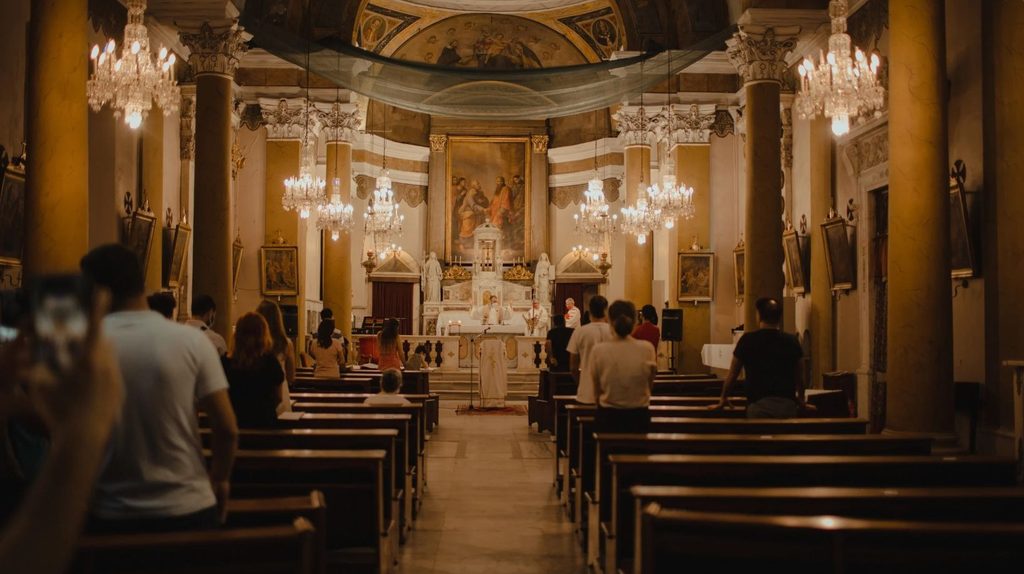
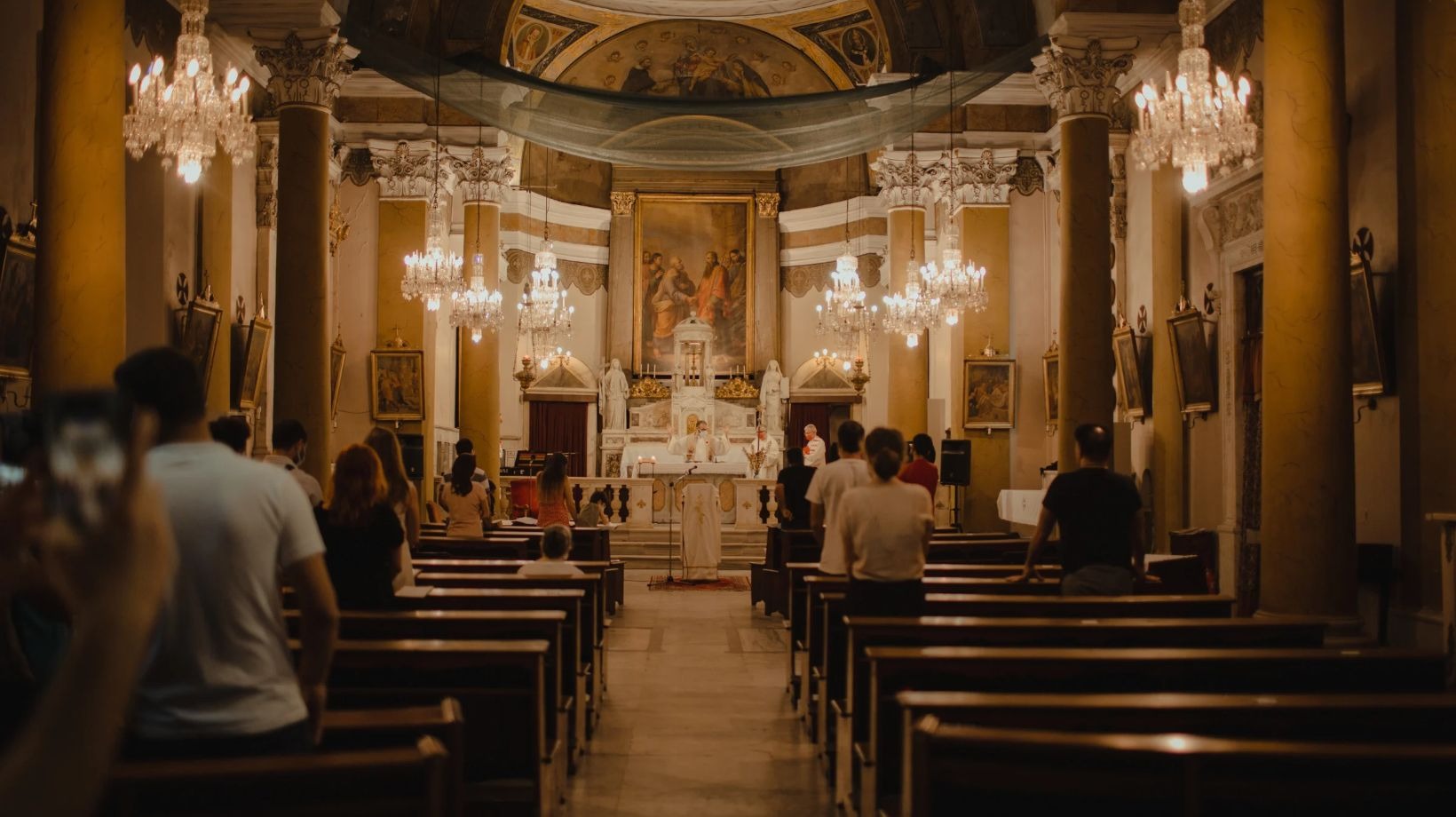
A Catholic pilgrimage does not need to involve expensive tours or organized activities. Some of the most meaningful experiences are free, including attending Mass, spending time in prayer, and exploring historic churches.
In Rome, visitors can attend Mass at numerous churches throughout the city. Many religious communities also offer opportunities for personal prayer and quiet reflection.
Pilgrims visiting Assisi can dedicate time to the Basilica of St. Francis and other religious landmarks. Simply walking through historic streets and reflecting on the lives of Catholic saints can become an important part of the journey.
Before traveling, check the official websites of major churches for information about opening hours, religious celebrations, and visitor requirements. Some areas may be temporarily restricted during services or special events.
7. Create a Budget-Friendly Catholic Pilgrimage Itinerary
A carefully planned itinerary helps travelers manage costs while avoiding unnecessary transportation and accommodation expenses. Rather than trying to visit every religious destination in Italy, focus on a few locations that are particularly meaningful to your faith.
For a first pilgrimage, a seven-day itinerary combining Rome and Assisi is a practical starting point.
| Day | Suggested pilgrimage activities |
| Day 1 | Arrive in Rome and visit a nearby church |
| Day 2 | Explore St. Peter’s Basilica and Vatican City |
| Day 3 | Visit St. John Lateran and St. Mary Major |
| Day 4 | Visit St. Paul Outside the Walls and enjoy personal prayer time |
| Day 5 | Travel to Assisi and explore the historic town |
| Day 6 | Visit the Basilica of St. Francis and sites associated with St. Clare |
| Day 7 | Return to Rome or continue onward to your departure airport |
This itinerary allows sufficient time for religious activities without requiring constant travel between distant destinations. Spending several nights in one location can also simplify your journey and potentially reduce transportation expenses.
For families, consider including additional breaks and limiting the number of activities scheduled each day. A pilgrimage should be meaningful and enjoyable rather than physically exhausting.
8. Save Money on Food While Enjoying Italian Cuisine
Experiencing Italian cuisine is an important part of visiting the country, but eating at restaurants for every meal can quickly increase travel expenses. Fortunately, budget travelers can enjoy authentic Italian food without relying on expensive tourist restaurants.
Local bakeries, supermarkets, markets, and casual restaurants often provide affordable options. Fresh sandwiches, pizza by the slice, and simple pasta dishes can help keep food costs manageable.
Choosing accommodation with breakfast included or access to a small kitchen may also reduce expenses. Families traveling together can benefit from purchasing groceries and preparing occasional meals.
Avoid restaurants located directly beside major tourist attractions when possible. Exploring nearby residential streets can introduce you to more local dining experiences and potentially better prices.
9. Make Your Catholic Pilgrimage Spiritually Meaningful
Although budgeting is important, the primary purpose of a Catholic pilgrimage is spiritual growth. Visiting historic churches and religious landmarks provides opportunities to strengthen your relationship with God and reflect on your faith.
Consider beginning each day with a short prayer or scripture reading. You might also keep a travel journal to record meaningful experiences, personal reflections, and lessons learned during the journey.
For families, a pilgrimage can become an opportunity to teach children about Catholic history and the lives of saints. Visiting places connected to St. Francis, St. Clare, and the apostles can make religious education more engaging and memorable.
Taking time for reflection also encourages a slower, more intentional style of travel. Instead of focusing exclusively on sightseeing, allow space for quiet moments, meaningful conversations, and spiritual discovery.
Conclusion
Planning an affordable Catholic pilgrimage to Italy is entirely possible with thoughtful preparation and realistic expectations. By selecting accessible destinations such as Rome and Assisi, traveling outside peak seasons, using public transportation, and choosing budget-friendly accommodations, pilgrims can experience Italy’s extraordinary religious heritage without overspending.
Most importantly, remember that the value of a pilgrimage is not determined by how much money you spend. Whether you are praying inside St. Peter’s Basilica, walking through the peaceful streets of Assisi, or attending Mass in a small Italian church, each experience offers an opportunity to deepen your faith.
Start by choosing the religious destinations that matter most to you, establish a comfortable travel budget, and begin planning a journey that combines spiritual discovery with the beauty of Italy.